
Designing systems that improve how decisions are made at scale
I’m Kiran — Design Leader & Evangelist | Enterprise UX • AI-driven workflows • Design systems


About me
I’ve spent the last two decades leading global design and product teams across SaaS, e-commerce, BFSI and enterprise talent platforms. I use systems thinking, AI-first UX, and human-centered leadership to align people, products, and operations around meaningful customer and business outcomes.
20+
700+
People - Organizations scaled & led
Years of Design & Product Leadership
70%+
Efficiency gained from Operational excellence & AI-Infused UX
$800M+
Business value influenced
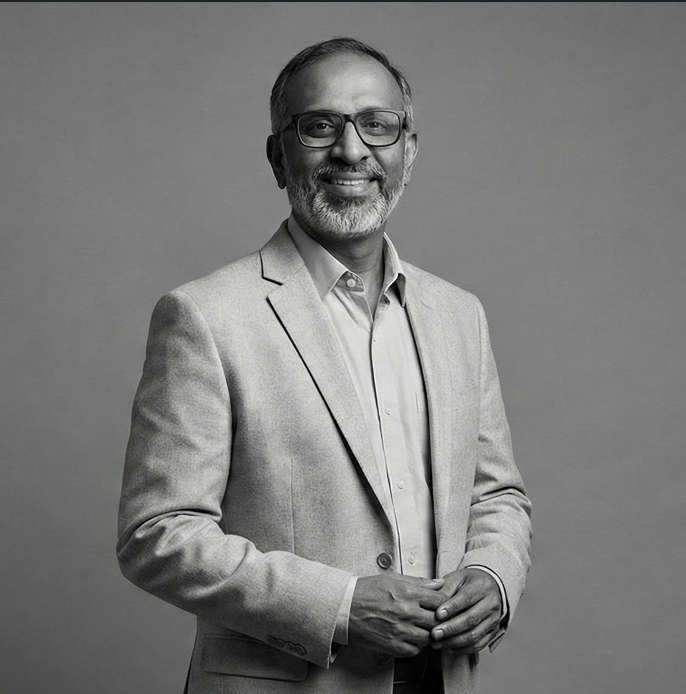
My Leadership Philosophy
It's anchored in the belief that Excellence is not accidental — it's precise, intentional, surgical and well, by design.
As leaders we know that every decision, every action, and every experience must be thoughtfully crafted to drive impact for individuals, teams, customers, and the organization as a whole; while wrapped in an undying passion for continuous improvement - in harmony. Perfectly balanced.
The goal has always been to ensure we're building an environment where people can grow and thrive and bring their best selves to work. It's not just "what" we do, but "how" we do it matters just as much.
My Design Philosophy
My design journey didn’t start in a fancy studio or an HCI lab—it started in the 80s from the humble television to the modern day PlayStation.
With the shifting of media and interfaces, one thing remained persistent in my mind - design is every where. My design philosophy crystallized over the years into three core pillars of Clarity, Action and Outcomes.
Design is the bridge between confusion and clarity.
It’s the magic that makes people feel understood, not overwhelmed.




Excellence by Design
Clarity, Action and Outcomes
What I Focus On
Product & Experience Strategy
AI & Innovation
Organizational Leadership
Operational Excellence
Designing coherent product ecosystems across web, mobile, and enterprise workflows, with customers and business outcomes at the center.
Defining AI-first UX, copilots, and agentic workflows that augment teams, improve decisions, and unlock 60–75% efficiency gains.
Scaling teams from 20 to 700+, mentoring leaders, and building cultures grounded in clarity, accountability, and psychological safety.
Applying systems thinking, PDLC, and value stream mapping to increase velocity, reduce friction, and deliver measurable impact.
Where I Create Leverage
Product & Experience Strategy
AI as a Decision System
Systems That Scale
Leadership & Execution
Turning fragmented products into coherent platform experiences.
Embedding AI where decisions actually happen.
Building the operating infrastructure behind great product work.
Aligning people, systems, and outcomes.
I create leverage by increasing decision velocity at scale — at the intersection of strategy, systems, AI, and execution.
Unified journeys · Platform roadmaps · Business outcomes
Copilots · Agents · Nudges
Design systems · Governance · Quality loops
3-in-a-box · Trade-offs · Measurable impact
Decision Velocity at Scale
Clarity | Speed | Confidence | Outcomes


Selected Transformations


AI-First UX & Workflow Transformation
Enterprise platforms | Copilots & agents | 60–75% efficiency gains
A snapshot of enterprise-scale work spanning product ecosystems, AI, and organizational change.

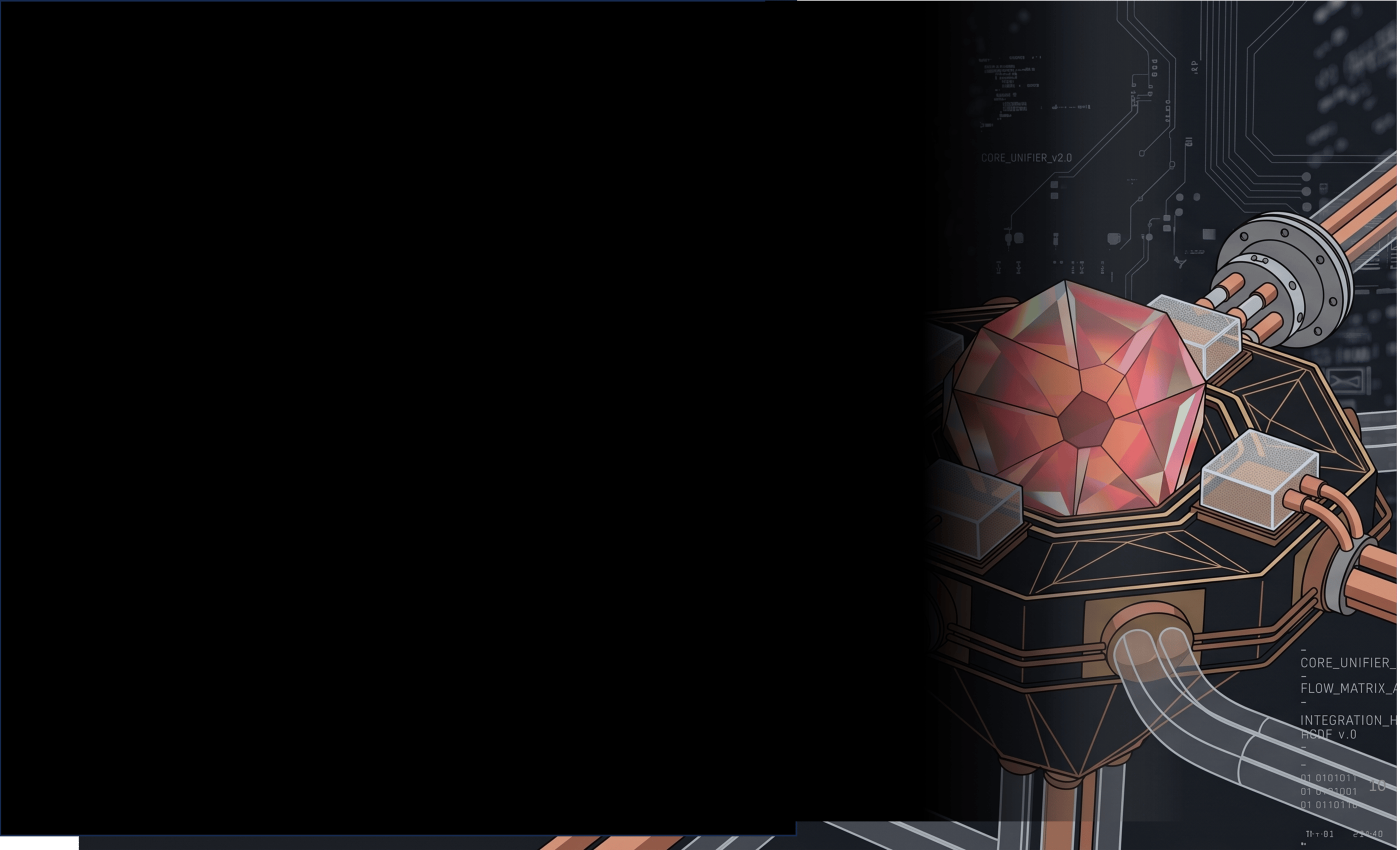
Defined AI UX patterns, agent workflows, and accelerated design-to-delivery systems across complex enterprise products.
Design Systems at Enterprise Scale
Multi-product platforms | Governance | Zero delivery misses
Built and governed design systems, teams, and AI-assisted accelerators delivering 50% velocity gains with 2+ years of flawless release execution.
Platform Unification, 0→1 Products
Data & UX unification | $800M+ impact
Led executive-level unification strategy across data, systems, and UX, shaping a multi-year roadmap and launching new AI-powered experiences.